October is Vision Awareness Month, a timely reminder that healthy eyesight deserves attention at every stage of life. From children learning to read to adults spending long hours at their desks, our eyes work hard every day. A comprehensive eye exam helps protect the vision we rely on for work, learning, and the moments that matter most.
Many eye conditions develop slowly, with few noticeable symptoms in their early stages. At Dr. Marian Kim and Associates, our eye doctors help families in Toronto, Ontario, stay ahead of vision changes through regular eye health checkups. Vision Awareness Month is a great time to schedule your next visit.
Eye Exam vs. Vision Screening: What's the Difference?
You may remember reading letters from an eye chart during a school screening or routine healthcare visit. These screenings offer a quick look at how clearly you can see, but they tell only part of the story.
A comprehensive eye exam takes a closer look at your vision and the health of your eyes. Our eye doctors assess how well your eyes focus and work together while checking for early signs of eye disease. This more detailed approach helps identify concerns that a basic screening may miss.
A 20/20 vision screening result means you can see clearly at a standard distance. It says little about eye pressure, retinal health, or how well your eyes work together.
At Dr. Marian Kim and Associates, our team uses advanced diagnostic technology, including retinal imaging, to assess eye health in greater detail. These tools support early detection and help our eye doctors recommend care based on each patient's needs.
Eye Care Milestones for Every Age
Our vision changes as we grow. Children develop essential visual skills, adults face new demands from screens and daily routines, and older adults experience natural changes in their eyes.
Regular exams help our eye doctors track these changes and recommend care that supports comfortable, healthy vision throughout life.
Infants and Preschool Children
Healthy vision begins developing long before children can read an eye chart. During the first few years of life, children learn to focus, follow moving objects, and use both eyes together.
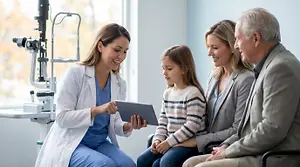
Early pediatric eye exams help our eye doctors check these important milestones and identify conditions such as lazy eye or crossed eyes. The Canadian Association of Optometrists recommends a first exam between six and nine months, another between ages two and five, and annual exams during the school years.
School-Aged Children and Teens
Clear vision plays an important role in reading, classroom learning, sports, and everyday confidence. Children may struggle with blurry vision or eye coordination even when they seem to see well.
Parents can watch for frequent headaches, squinting, losing their place while reading, or sitting unusually close to screens. Annual eye exams help our eye doctors identify changes in vision and discuss options such as glasses or myopia management when appropriate.
Adults Ages 18 to 40
Between office work, online classes, and evening screen time, many adults spend hours focusing on digital devices. Long periods of close-up work can contribute to tired eyes, headaches, blurry vision, and dryness.
Screen use often reduces how frequently we blink, which can leave our eyes feeling irritated. Taking regular screen breaks, adjusting screen position, and blinking fully can help. Our eye doctors can also assess dry eye concerns and other eye care needs during a comprehensive exam. Blue-light-blocking glasses may help some people with comfort or glare, although current evidence offers little support for their use in preventing digital eye strain.
Adults Ages 40 to 59
Around age 40, many adults begin holding books or phones farther away to read comfortably. This common change, called presbyopia, happens as the eye's natural lens becomes less flexible.
This stage of life also brings a greater need to monitor eye pressure and retinal health. Regular exams help our eye doctors identify early signs of glaucoma, cataracts, and other concerns while recommending vision correction that fits your daily routine.
Adults Ages 60 and Older
Healthy eyesight supports independence, from reading medication labels to driving and enjoying time with family. As we age, conditions such as cataracts, glaucoma, and age-related macular degeneration become more common.
Many of these conditions develop gradually. Through regular exams and eye disease management, our team can monitor changes, discuss treatment options, and help patients protect their remaining vision. For older adults in North York and the greater Toronto area, preventative eye care is an important part of staying active and confident.
Protect Your Family's Vision in Toronto
From school mornings to busy workdays and active retirement years, healthy vision helps us enjoy the routines that make life meaningful.
At Dr. Marian Kim and Associates, our eye doctors provide attentive, personalized eye care for families in Toronto, Ontario. Whether your child needs their first eye exam or you're ready for your annual checkup, our team is here to help you care for your eyesight with confidence.
Celebrate Vision Awareness Month by scheduling a comprehensive eye exam for yourself or your family today.
FAQs
How Often Should I Get a Comprehensive Eye Exam?
- Many adults benefit from comprehensive eye exams every one to two years, depending on age, health, and risk factors. Children, seniors, and people with certain eye or medical conditions may need annual or more frequent visits. Our eye doctors can recommend an exam schedule based on your individual needs.
Can Eye Exams Detect Other Health Problems?
- Yes. A comprehensive eye exam can reveal changes associated with diabetes, high blood pressure, and certain other health conditions. Our eye doctors examine the blood vessels and tissues inside your eyes, which may show early signs of health concerns that need further medical attention.
Why Isn't a 20/20 Vision Screening Result Enough?
- A 20/20 result measures how clearly you see at a specific distance. It provides valuable information about visual sharpness, but a comprehensive eye exam also checks eye pressure, eye structures, focusing ability, and signs of disease. People with 20/20 vision can still develop eye conditions.